Elon Musk’s Chinese Reply to Teacher Li Exposes the Limits of China’s Online Narrative Control
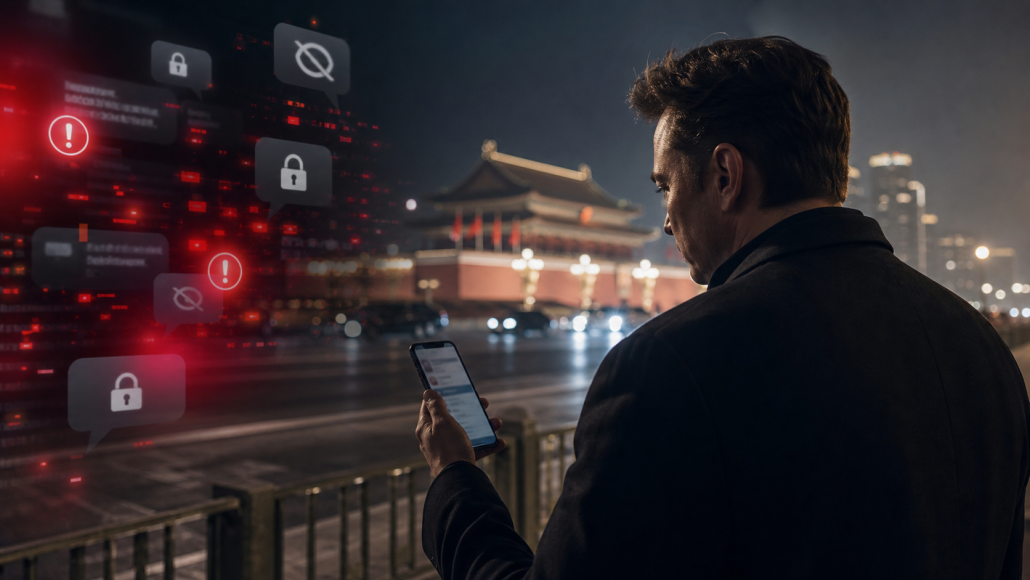
Elon Musk briefly created an awkward moment for Chinese censors after he replied in Chinese to a post by the dissident X account “Teacher Li Is Not Your Teacher,” known by the handle @whyyoutouzhele.
The exchange happened during Musk’s visit to Beijing on May 14, 2026, when he joined other U.S. business leaders during President Donald Trump’s China trip. Reuters images showed Musk arriving at the Great Hall of the People with his young son for a meeting between Chinese Premier Li Qiang and U.S. business representatives.
Teacher Li posted that Musk, even while in China, appeared to be using a VPN to access X, which is blocked inside mainland China. Musk later replied in simplified Chinese: “My son is learning Mandarin.”
A Viral Moment That Became Politically Inconvenient
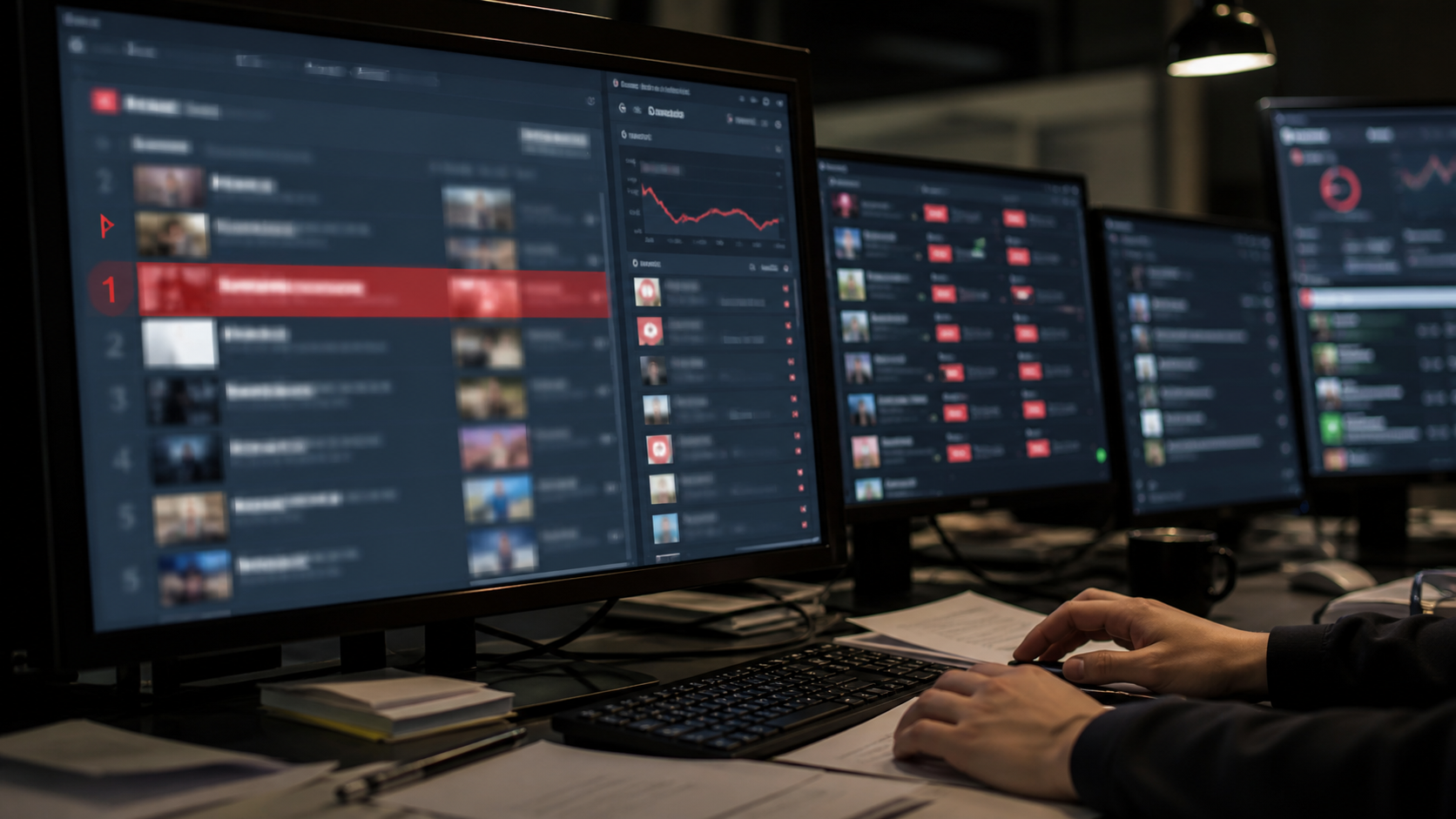
Chinese media and social media accounts quickly amplified the fact that Musk had posted in Chinese. Singapore’s Lianhe Zaobao reported that the phrase “Musk posts in Chinese” briefly reached the top of Weibo’s trending list on the night of May 14.
But the context was sensitive. Musk was not making a standalone China-friendly post. He was replying to Teacher Li, one of the most prominent overseas Chinese-language accounts documenting protests, censorship, labor disputes, and other social incidents inside China.
According to Zaobao, some Chinese users soon pointed out that media reports had removed the account name and background of the exchange. New Tang Dynasty Television also reported that the Weibo topic later disappeared after Chinese outlets had promoted it without naming Teacher Li.
Why Teacher Li Matters
Teacher Li, whose real name is Li Ying, became widely known during the 2022 White Paper protests, when his X account relayed videos, photos, and firsthand accounts from inside China. Since then, the account has remained a major clearinghouse for Chinese social news that is often deleted or restricted on domestic platforms.
That role makes the account politically sensitive. A celebrity businessman praising Mandarin study was useful for official and nationalist narratives. The same message became problematic once users noticed that it appeared under a post by a censored dissident-linked account.
The Larger Signal
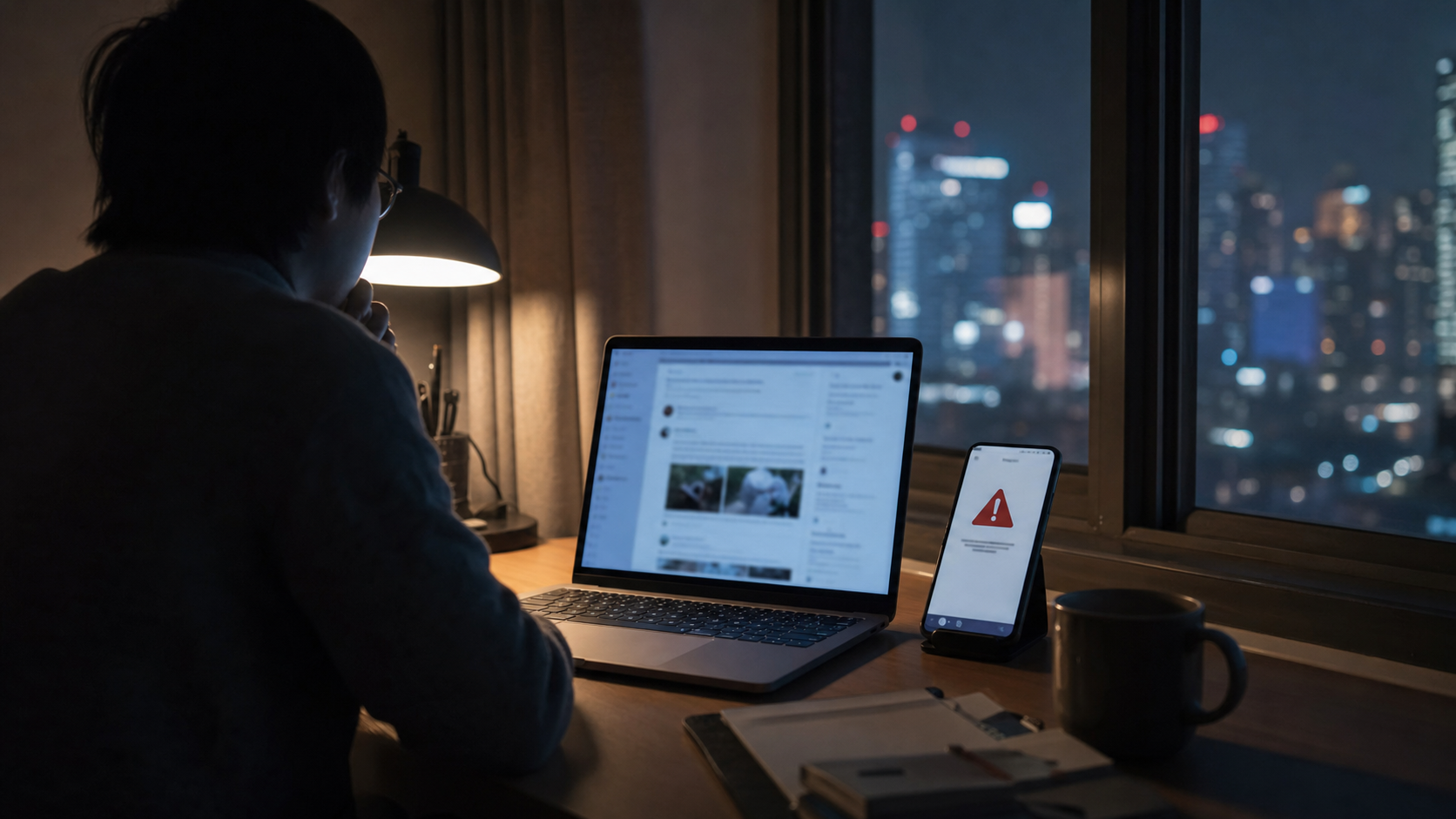
The episode shows the fragility of China’s online narrative control. Chinese platforms can promote a foreign business leader’s China-friendly image, but they must also erase the path by which that image entered the conversation if the source touches a banned political figure.
It also highlights a basic contradiction. X is blocked for ordinary Chinese users, yet foreign elites, state-linked media accounts, and overseas influencers can still shape Chinese political discourse through content that leaks back across the Great Firewall.
Musk’s reply was short and likely casual. The reaction around it was more revealing than the message itself. A harmless sentence about a child learning Mandarin became a censorship problem because it exposed who Chinese media could not name.
Sources
- Lianhe Zaobao: Musk replies to Teacher Li
- TechNews / Radio Taiwan International: Musk tweets in Beijing through VPN
- China News Service: Musk says his son is learning Mandarin
- Reuters Connect: Musk arrives at the Great Hall of the People with his son
- New Tang Dynasty Television: Weibo topic disappears after Musk reply


Leave a Reply
Want to join the discussion?Feel free to contribute!