
Shanxi Liushenyu Coal Mine Disaster: Shifting Toll Raises Accountability Questions
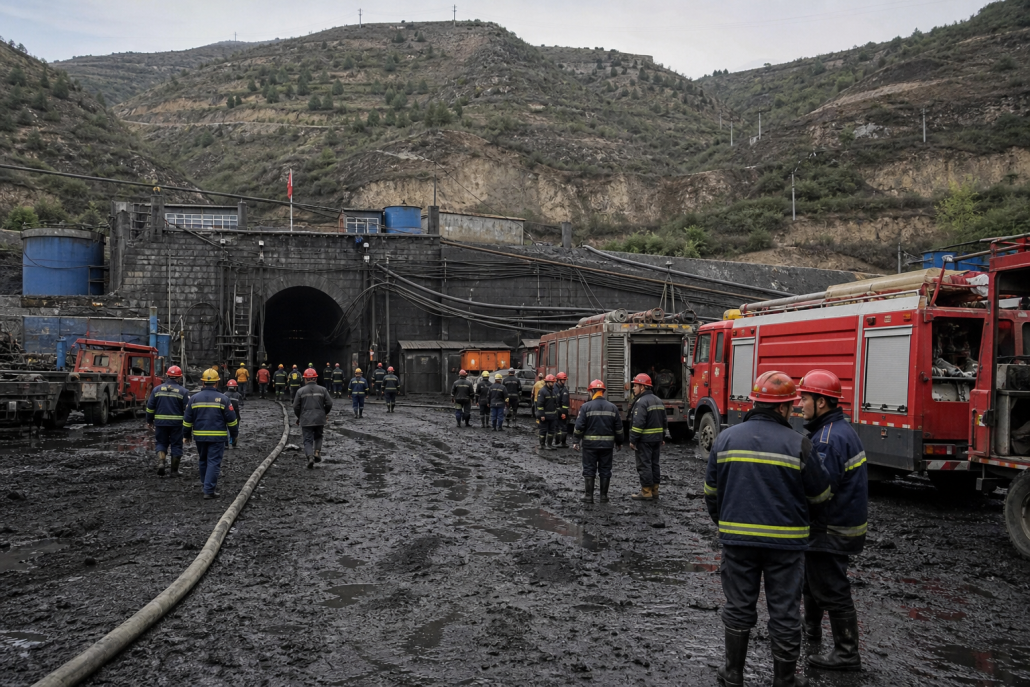
A gas explosion at the Liushenyu coal mine in Qinyuan County, Shanxi, left 82 people dead, two missing, and 128 hospitalized, according to official figures released after a May 23 press conference. The disaster has drawn attention outside China because the reported casualty count changed several times, the mine operator failed to provide a clear worker count, and officials later said the company had committed serious legal violations.
Summary
The explosion happened at 7:29 p.m. on Friday, May 22, 2026, at the Liushenyu coal mine, operated by Shanxi Tongzhou Coal & Coke Group in Changzhi’s Qinyuan County. Xinhua reported that 247 workers were underground when the blast occurred. By the evening of May 23, local officials said 82 people had been confirmed dead, two remained missing, and 128 were being treated in hospitals.
The numbers did not move in a straight line. Early official reports described a smaller toll and dozens of people still underground. CCTV later carried figures of more than 50 deaths, then 82 deaths with nine missing, and then 90 deaths. At the press conference, Changzhi officials revised the public count to 82 deaths and two missing. They said earlier figures were inaccurate because the scene was chaotic and the company had not supplied a reliable list of workers on duty.
That explanation may be true. It also leaves hard questions. A mine with 247 workers underground should have a reliable roster, especially at a site known for high gas risk. When the death count changes so sharply after a major industrial accident, readers are right to ask whether the problem was only confusion, or whether local actors had an incentive to slow, soften, or control the first account.
Timeline
May 22, 7:29 p.m.: A gas explosion occurred at the Liushenyu coal mine in Qinyuan County, Shanxi. Xinhua later said 247 workers were underground at the time.
Early May 23: Chinese state media reported a lower confirmed death count and a large number of workers still trapped or unaccounted for. Rescue work continued while toxic and harmful gases underground remained above safe limits.
Later May 23: CCTV and other outlets reported rising casualty figures, including 82 deaths with nine people missing. Some reports later carried a figure of 90 deaths.
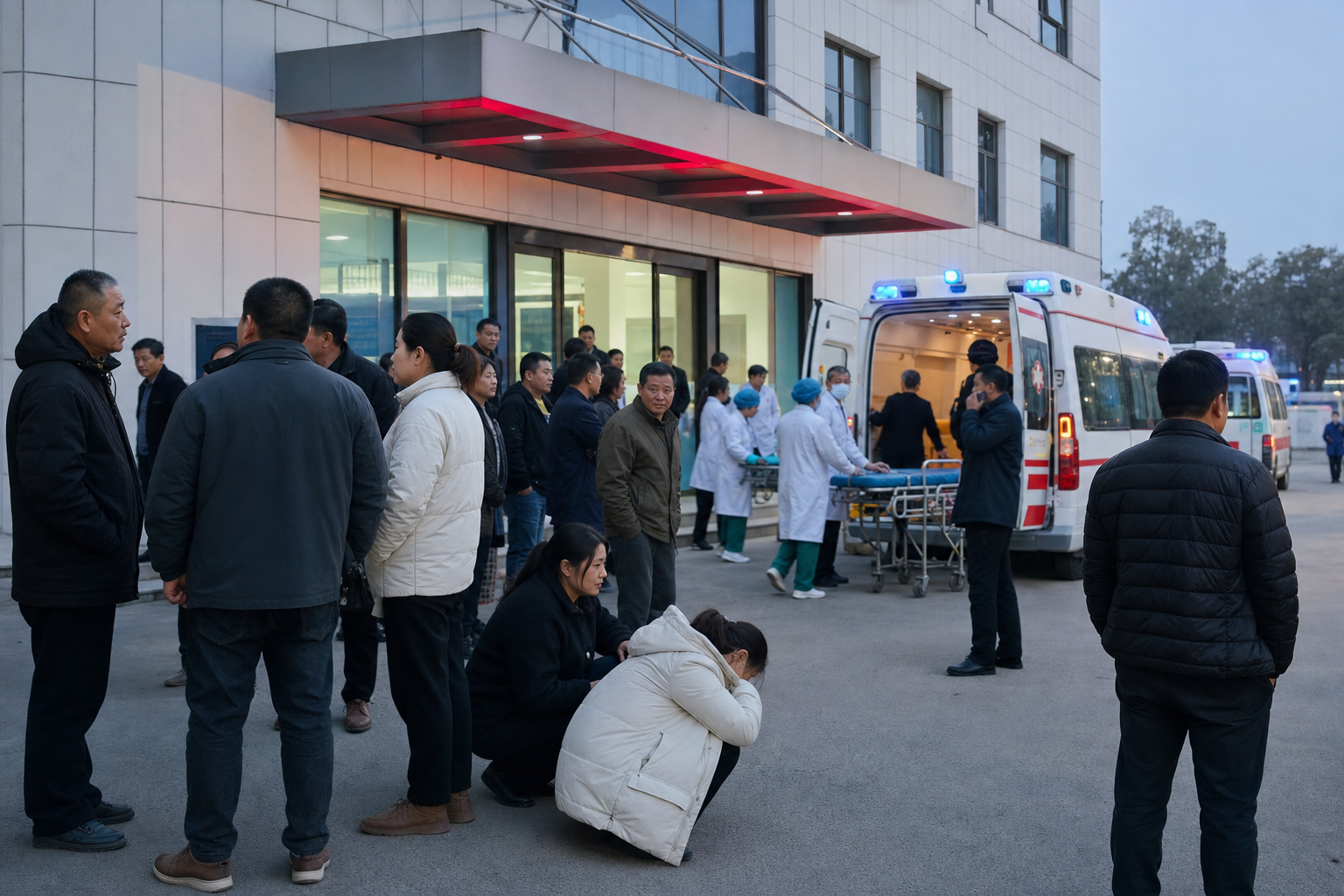
May 23 press conference: Changzhi officials gave the revised figure of 82 deaths, two missing, and 128 people hospitalized. They apologized and said the mine operator had serious legal violations. Company personnel were placed under control, and the company’s coal mines were ordered to stop production for safety overhaul.
Confirmed facts
The confirmed record comes mainly from Xinhua, CCTV, China News Service, China Daily, and international wire reporting that relied on official briefings. These sources agree on the basic event: a gas explosion hit the Liushenyu coal mine in Shanxi on May 22, and the final official count available at publication was 82 dead, two missing, and 128 hospitalized.
Officials also confirmed that the mine operator did not provide an accurate worker count at first. That detail matters more than a normal reporting error. In a mine disaster, the worker roster is the starting point for rescue, family notification, casualty accounting, and legal responsibility. If the company could not quickly tell officials who was underground, the safety problem was not limited to the explosion itself.
China Daily reported that a preliminary investigation found major legal violations by the company. Xinhua said toxic and harmful gases remained above safe levels for a long period, creating the risk of secondary disasters. AP reported that the mine had an annual production capacity of 1.2 million tons and had been listed by China’s National Mine Safety Administration in 2024 as disaster-prone because of high gas content.
Source verification
The overseas account Teacher Li Is Not Your Teacher helped draw attention to the shifting numbers, but the account should be treated as a lead, not the final authority. Its post matched earlier public reporting on the 82-dead, nine-missing figure, and it captured the public doubt that followed the changing count.
The strongest evidence is the overlap between official and international reporting. Xinhua supplied the latest official figure. AP reported the same revised count and noted that CCTV had earlier reported 90 deaths. China Daily reported the preliminary finding of legal violations. China News Service carried the press conference details. Together, these sources support a narrow but solid conclusion: the casualty count changed, officials blamed unreliable early information and the company’s worker count failure, and the company is now under investigation.
Confirmed vs unverified
Confirmed: The explosion happened at Liushenyu coal mine on May 22. The latest official figure is 82 dead, two missing, and 128 hospitalized. Earlier reports gave different numbers, including 82 dead with nine missing and 90 dead. Officials said the company failed to provide an accurate count of workers on duty. Officials also said the company had serious legal violations.
Unverified: Claims that the real death toll is higher than the official number remain unproven. Claims of a coordinated central government order to hide the scale of the disaster are also unproven. The available record supports accountability questions and suspicion about information control. It does not prove a full cover-up.
Why global readers should pay attention
This is not only a mining story. It is a test of how China handles a mass-casualty industrial accident when the first numbers are wrong and the responsible company is politically exposed. Coal still supports China’s power system, industrial base, and local government revenue in major producing provinces such as Shanxi. Safety failures in that system are not local footnotes. They show how production pressure, regulatory enforcement, and information control interact.
The case also matters because Chinese official communication often leaves out the records that would let the public check the story. A full account would include the worker roster, shift logs, gas monitoring data, rescue timeline, hospital list, and technical accident report. Without those records, readers can know the official position but cannot fully test it.
Information risk
The main risk is overclaiming. A changing death toll is evidence of confusion or poor reporting. It is not, by itself, proof of deliberate concealment. At the same time, dismissing public suspicion would also be wrong. China’s local officials and company managers can face serious consequences after a disaster of this scale, which creates an incentive to manage information before higher authorities, families, and the public see the full picture.
The safest reading is limited: the Liushenyu disaster killed at least 82 people under the current official count; two people were still missing at the time of the latest cited reports; the operator is accused of serious violations; and the early casualty figures were unreliable. Further judgment depends on whether investigators publish primary records rather than only press conference summaries.
Sources
- Teacher Li Is Not Your Teacher on X: social media lead and casualty-figure tracking
- Xinhua English: 82 dead, two missing, 128 hospitalized, and official explanation for inaccurate early figures
- AP News: deadliest Chinese mining accident in years and revised toll background
- CCTV News: running updates showing early casualty figures
- China News Service: press conference report with 82 dead, two missing, and 128 injured
- China Daily: preliminary finding of major legal violations
- Chinese State Council website: State Council investigation team statement


Leave a Reply
Want to join the discussion?Feel free to contribute!