
Shuanghui Subsidiary’s Pork Found 37.5 Times Over China’s Antibiotic Limit
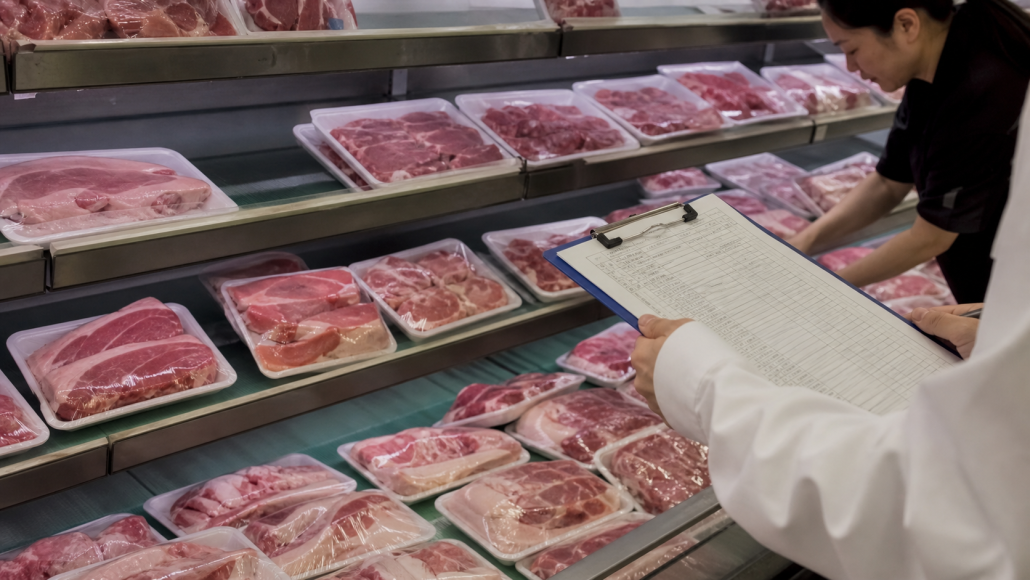
A high-engagement post from Teacher Li pointed to a real food safety case in northeast China: pork from a Shuanghui subsidiary in Heilongjiang was found with lincomycin residue at 7,700 micrograms per kilogram, or 37.5 times China’s legal limit for pig muscle. The social media post was only the lead. The underlying facts are supported by Chinese business media reports citing the Heilongjiang market regulator and by a later public apology reported by English-language outlet ECNS.
Summary
The case centers on Wangkui Shuanghui Beidahuang Food Co., a Shuanghui-controlled meat processing company in Suihua, Heilongjiang. Chinese media reports citing Heilongjiang’s market regulator said a batch of pork hind leg meat sold through a supermarket branch was found to contain 7,700 micrograms per kilogram of lincomycin. Under China’s national residue standard, the maximum allowed level for lincomycin in pig muscle is 200 micrograms per kilogram.
That result matters for two reasons. First, it is not a rumor-only story. Multiple outlets cited the same regulator notice, the same residue figure, and the same legal threshold. Second, the company did not deny that regulators had found a problem. ECNS reported on May 28 that Shuanghui issued a public apology and said it had formed a special task force to cooperate with the investigation.
The case also revived old concerns around a company that has spent years trying to distance itself from earlier food safety scandals. Shuanghui remains one of China’s biggest meat processors. That scale raises the stakes when even one batch fails a residue test so badly.
Confirmed facts
The strongest verified fact is the test result itself. CAIJING, citing Heilongjiang’s 2026 issue 7 food safety sampling notice, reported that a batch of pork hind leg meat produced by Wangkui Shuanghui Beidahuang Food Co. contained 7.70 x 10^3 micrograms per kilogram of lincomycin. The legal ceiling under China’s food safety standard is 200 micrograms per kilogram. That works out to 37.5 times the limit.
CAIJING also reported that the company challenged the authenticity of the sample and that the objection was rejected. The regulator said local market supervision departments had been ordered to investigate product flows, push the company to remove or recall unqualified products, and handle any legal violations found during the investigation.
Corporate ownership is also clear. Chinese reports citing company registry data said Wangkui Shuanghui Beidahuang is 75 percent owned by Henan Shuanghui Investment & Development and 25 percent owned by Heilongjiang Beidahuang Meat Industry. That makes this a subsidiary case, not a random supplier with only a loose brand connection.
On May 28, ECNS reported that Shuanghui apologized publicly after the residue finding. According to that report, the company said it had created a special task force and noted that internal tests since October 2025, along with several regulatory inspections, had shown compliant results. Whatever those later internal checks showed, they do not erase the original failed sample.
Source verification
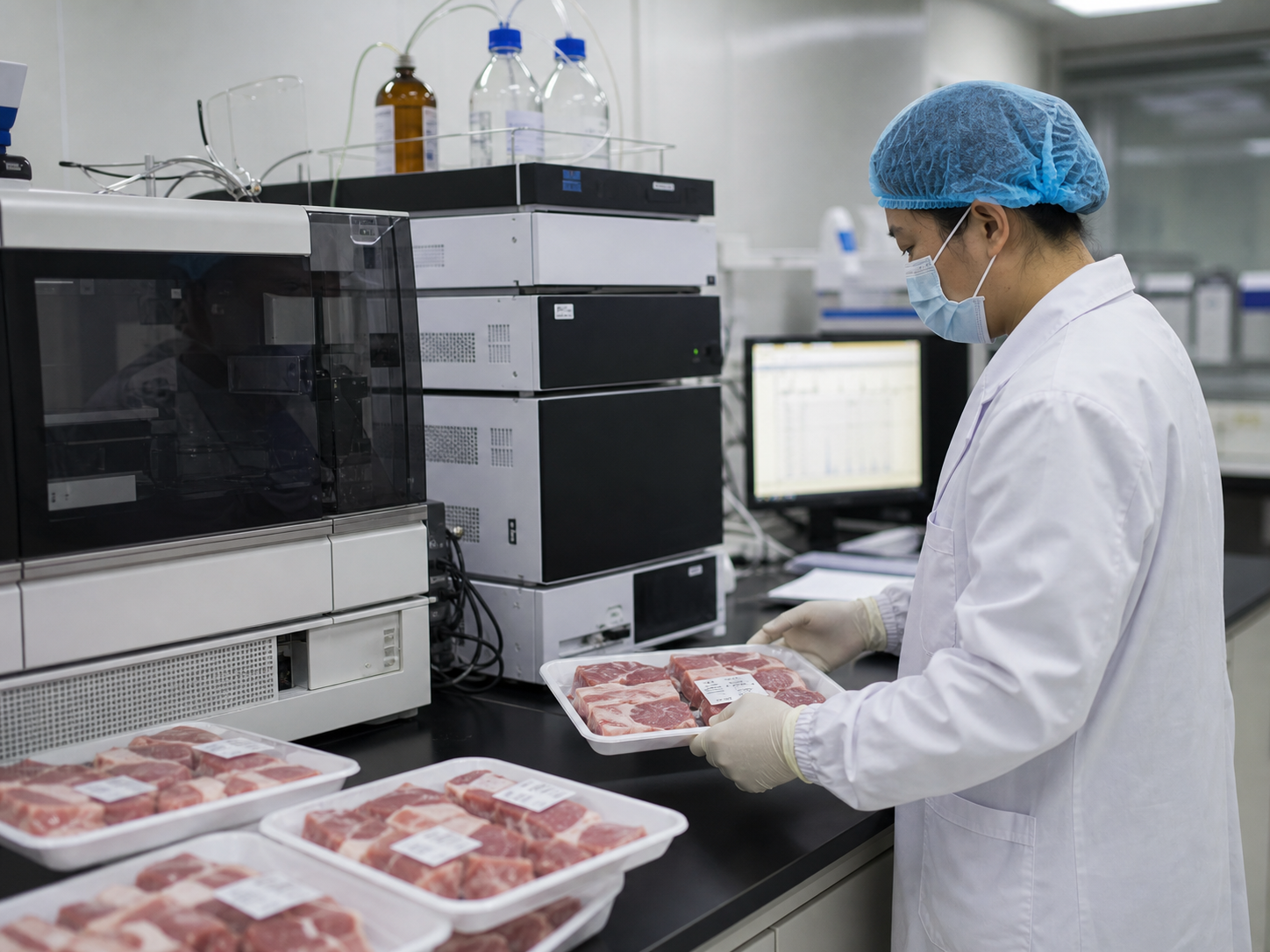
This article started from a Teacher Li post because the account surfaced the story to a large audience. But the article does not rely on the X post as proof. The residue figure, product name, company name, and legal limit were all matched against Chinese media reports that attributed the information to Heilongjiang’s market regulator.
The public record is strongest on the sampling result and the company’s apology. It is weaker on the full administrative file. During this run, I could not reliably retrieve the original Heilongjiang regulator notice page itself through public search, so that part of the record is being cited through secondary reporting rather than a directly opened government archive. That is a limitation, but not a fatal one, because multiple outlets reproduced the same core figures and compliance language.
The company response is also partly secondhand. First Financial and other Chinese financial outlets reported comments from company representatives about upstream farming and supplier management. Those statements are useful as the company’s position. They are not independent proof of what caused the contamination.
Background
Lincomycin is an antibiotic that can be used in livestock treatment, but residue levels in meat are regulated. When residue levels blow through the legal ceiling, the basic question is not whether the substance exists in the world. The question is whether the animal was treated improperly, whether the withdrawal period was ignored, whether supply chain controls failed, or whether slaughter and sourcing controls failed upstream.
That matters because Shuanghui is not a marginal regional processor. It is one of China’s biggest meat brands, and it has a long history with food safety damage. In 2011, state media and China Daily reported that a Shuanghui subsidiary had been tied to pork contaminated with clenbuterol, a banned additive often described in China as “lean meat powder.” More than a decade later, ECNS noted that the company also faced hygiene violation reports at a subsidiary factory in 2022.
So this latest case does not land on a clean slate. It lands on a company that has already had to tell consumers, regulators, and investors that its controls have improved.
What remains unverified
Several claims circulating around the case should be treated carefully.
- The exact cause of the residue problem is not independently verified. Some Chinese reports said company representatives blamed upstream breeding or supplier use of veterinary drugs. That may be true, but it remains the company’s explanation.
- The full volume of affected product sold to consumers is not confirmed in a primary record opened during this run. Some reports discuss partial recovery and destruction figures. I did not treat those numbers as confirmed.
- There is no verified evidence in the public record reviewed here that consumers were reported injured by this batch.
Those gaps matter. A failed residue test is already serious. There is no need to inflate it with numbers or health claims that are not firmly sourced.
Potential impact
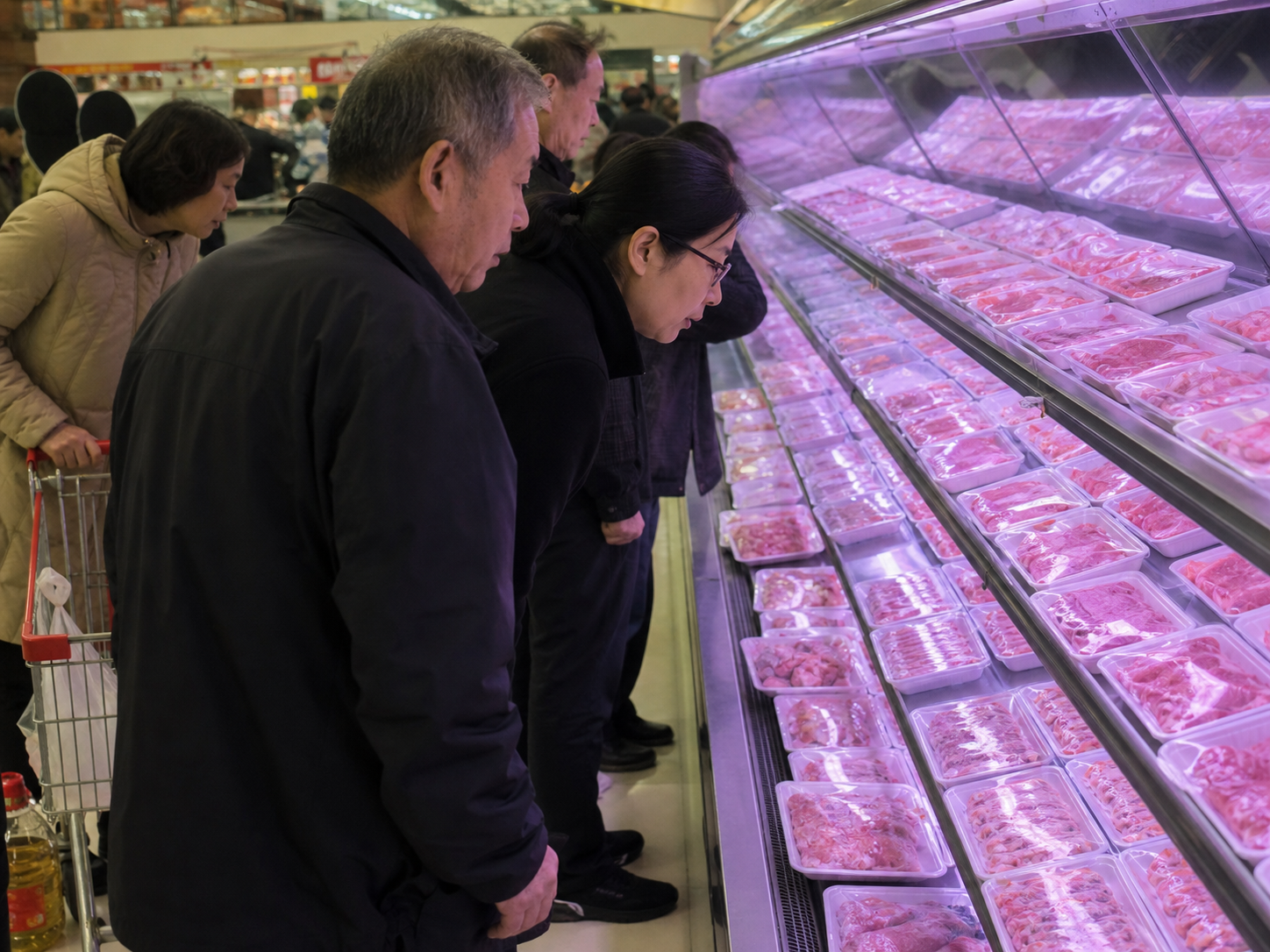
For consumers in China, the case adds to a familiar problem: brand size does not guarantee food safety. When one of the country’s largest meat processors ends up in a residue case, public trust in packaged pork does not just fall on the factory named in the notice. It spills outward to the wider cold meat market.
For regulators, the case shows why routine sampling still matters. The official result cited in the reports did not come from a viral video or a whistleblower leak. It came from a formal inspection and lab test. That is exactly the kind of system that is supposed to catch problems before they spread wider.
For investors, the issue is reputational as much as operational. First Financial reported that Shuanghui Development shares fell sharply after the residue story gained attention. The direct financial effect of one failed batch may be manageable. Repeated food safety hits are harder to price because they damage consumer confidence over time.
Information risk
The main information risk here is not whether the event happened. It did. The stronger Chinese reporting is consistent on the residue result, the legal limit, the company identity, and the regulator’s handling language. The risk is in pretending the public record is more complete than it is.
I could verify the core violation. I could not directly retrieve every underlying official document or every downstream disposal figure from primary public pages during this run. That is why the article separates confirmed facts from company explanations and higher-detail claims repeated in secondary coverage.
That distinction matters for China coverage. Social media often surfaces the lead first. The real work is checking whether the lead maps onto an official notice, a corporate statement, and a stable public record. In this case, it does.
Why this post was selected
Among the most recent publicly viewable Teacher Li posts captured through a Nitter mirror on May 30, 2026, the Shuanghui residue post showed the strongest visible comment and repost activity among clearly verifiable news items. The mirror showed roughly 90 comments and 48 reposts for the post at capture time, which was higher than other nearby verifiable items in the same feed slice.
Sources
- Teacher Li Is Not Your Teacher on X: account timeline; selected post concerned Shuanghui pork residue case
- CAIJING: report citing Heilongjiang market regulator sampling notice
- ECNS: English report on Shuanghui apology and residue finding
- First Financial via Sina Finance: company response and stock reaction
- China Daily: 2011 Shuanghui apology over clenbuterol case
- China Daily: background on Shuanghui’s post-2011 food safety controls


Leave a Reply
Want to join the discussion?Feel free to contribute!