
Shanghai Japanese Restaurant Knife Attack Exposes China’s Dangerous Mix of Nationalism and Economic Stress
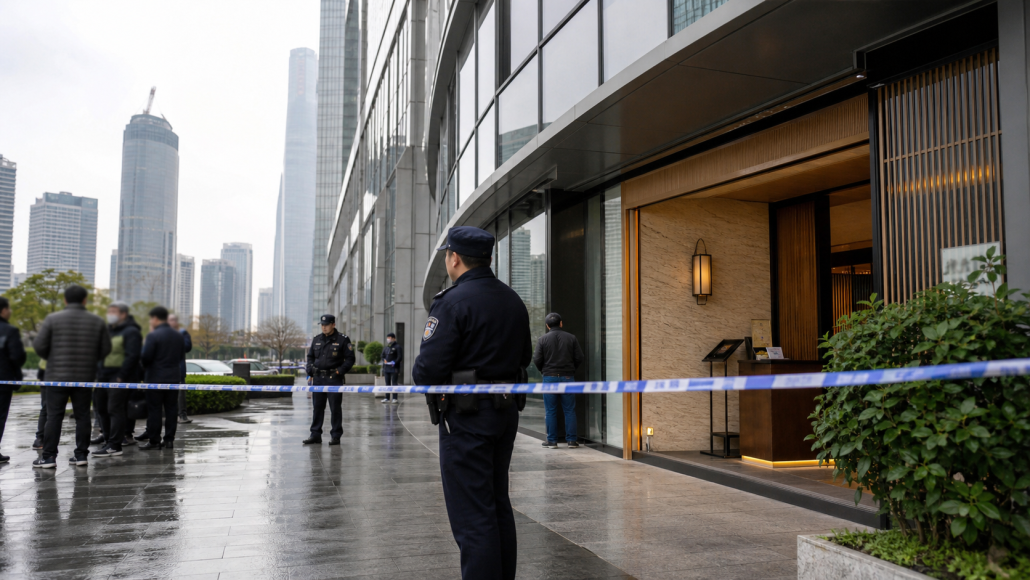
A May 19 knife attack at a Japanese restaurant in Shanghai injured two Japanese citizens and one Chinese citizen. Chinese authorities described the case as isolated and said the suspect had a mental disorder, but the incident has renewed concern over anti-Japanese nationalism, weak public trust, and the pressure felt by ordinary people after years of lockdowns and economic slowdown.
Summary
Three people were injured on May 19, 2026, when a man attacked customers at a Japanese restaurant in Shanghai. The case drew attention after posts circulated on X, including one from @whyyoutouzhele, and was later confirmed by international reporting and Japanese government comments.
The confirmed facts are limited. Two of the injured were Japanese citizens. One injured person was Chinese. The suspect was detained. China's Foreign Ministry said the suspect was a person with a mental disorder and warned against "groundless speculation."
That warning should not end the discussion. China has spent decades teaching a state-approved version of national humiliation in which Japan plays a central role. Since the pandemic, harsh zero-COVID controls, weak consumption, property losses, and youth unemployment have left many people with fewer ways to absorb pressure. In recent years, China has also seen several attacks against bystanders that Chinese internet users often describe as "revenge against society."
None of this proves the Shanghai suspect's motive. It does explain why this case matters beyond one crime scene.
Confirmed facts
The attack happened on Tuesday, May 19, 2026, at a Japanese restaurant in Shanghai. The Associated Press reported that three people were injured, including two Japanese citizens and one Chinese citizen, citing China's Foreign Ministry.
Japanese Chief Cabinet Secretary Minoru Kihara said Japan had asked China for a full investigation, a clear explanation, punishment of the suspect, preventive measures, and protection for Japanese nationals in China. Japan also issued safety advice to Japanese citizens in China.
Jiji Press, via Nippon.com, reported that the two injured Japanese citizens were employees of Mori Building, the Japanese developer behind the Shanghai World Financial Center. The company's president said the attack occurred in an office building developed by the company.
Chinese Foreign Ministry spokesperson Guo Jiakun said the suspect was detained and the victims were sent to hospital. He called the case isolated.
What remains unverified
There is no public evidence yet proving that the suspect targeted Japanese people because of anti-Japanese hatred. The location, a Japanese restaurant, is relevant. The identity of two victims, Japanese citizens, is also relevant. But those facts alone do not establish motive.
Several social media posts claimed details about the restaurant, the suspect, and the sequence of events. Those claims should be treated as leads unless they are confirmed by police records, court documents, hospital statements, or reliable reporting.
The current public record supports this wording: a knife attack at a Japanese restaurant injured two Japanese citizens and one Chinese citizen. It does not yet support this wording: an anti-Japanese hate attack has been proven.
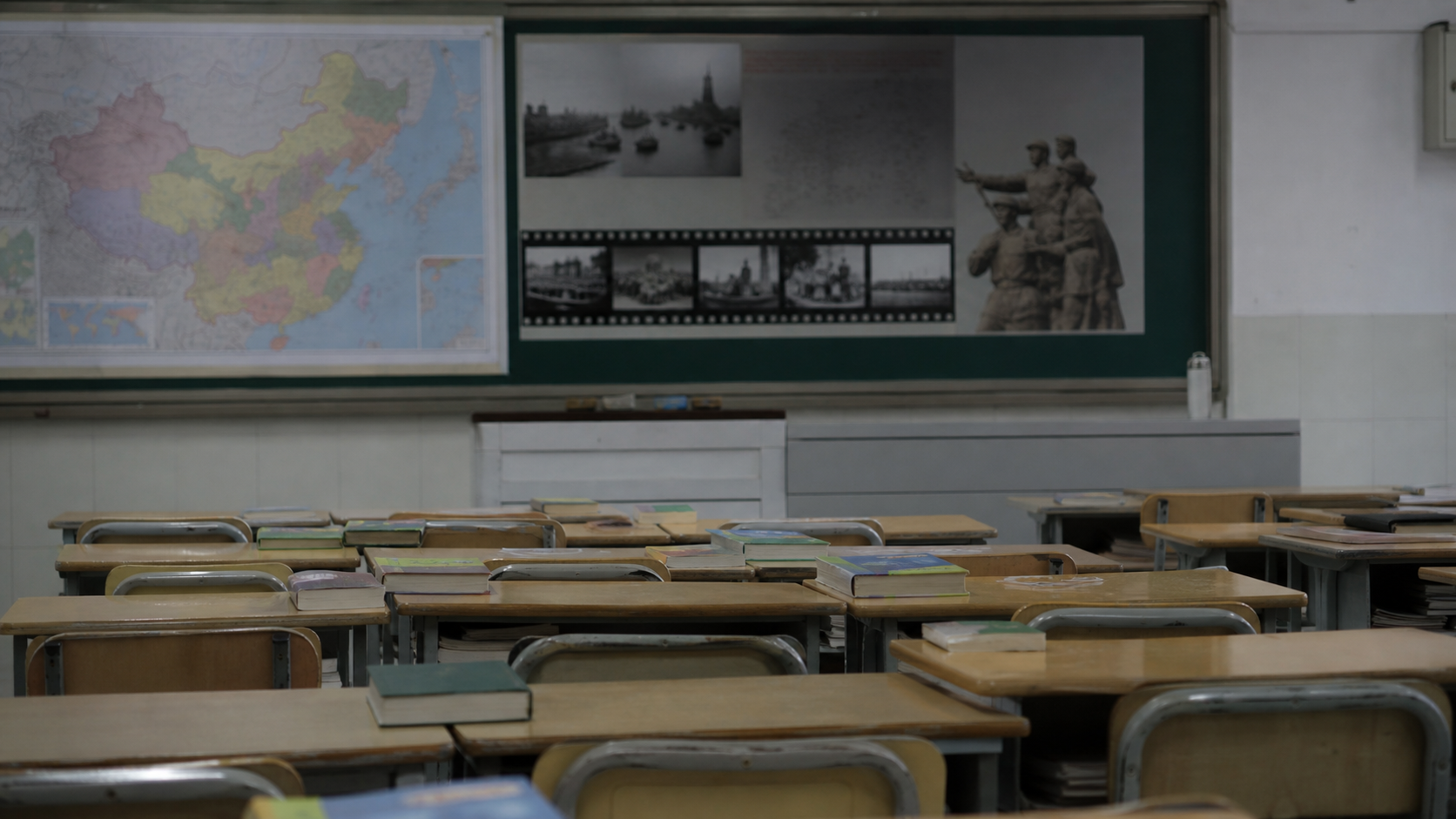
China's anti-Japanese education problem
China's official history education has long used Japan's wartime invasion as a core part of patriotic education. Japanese wartime atrocities are real historical facts. The problem is not that Chinese students learn about the Second Sino-Japanese War. The problem is that the Chinese Communist Party has used wartime memory as a political tool while censoring many other parts of modern Chinese history, including state-made disasters and domestic political violence.
Research on China's Patriotic Education Campaign describes a state-led effort after 1989 to rebuild political legitimacy through nationalism. Chinese Posters, a research archive on Chinese propaganda, notes that school curricula, museums, television, books, games, and other media have been used to remind citizens to "never forget" Japanese wartime atrocities and to view modern history through the lens of national humiliation.
China Daily, a state-run outlet, has acknowledged that the Communist Party issued a patriotic education outline in August 1994 and built a national system of patriotic education sites. The official framing presents this as loyalty education. Outside China, many scholars describe it as state-led nationalism.
This does not mean every Chinese person hates Japan. It does mean anti-Japanese feeling has been normalized, repeated, and politically tolerated when useful. That creates risk. When a society is already stressed, official enemy narratives can turn private anger outward.
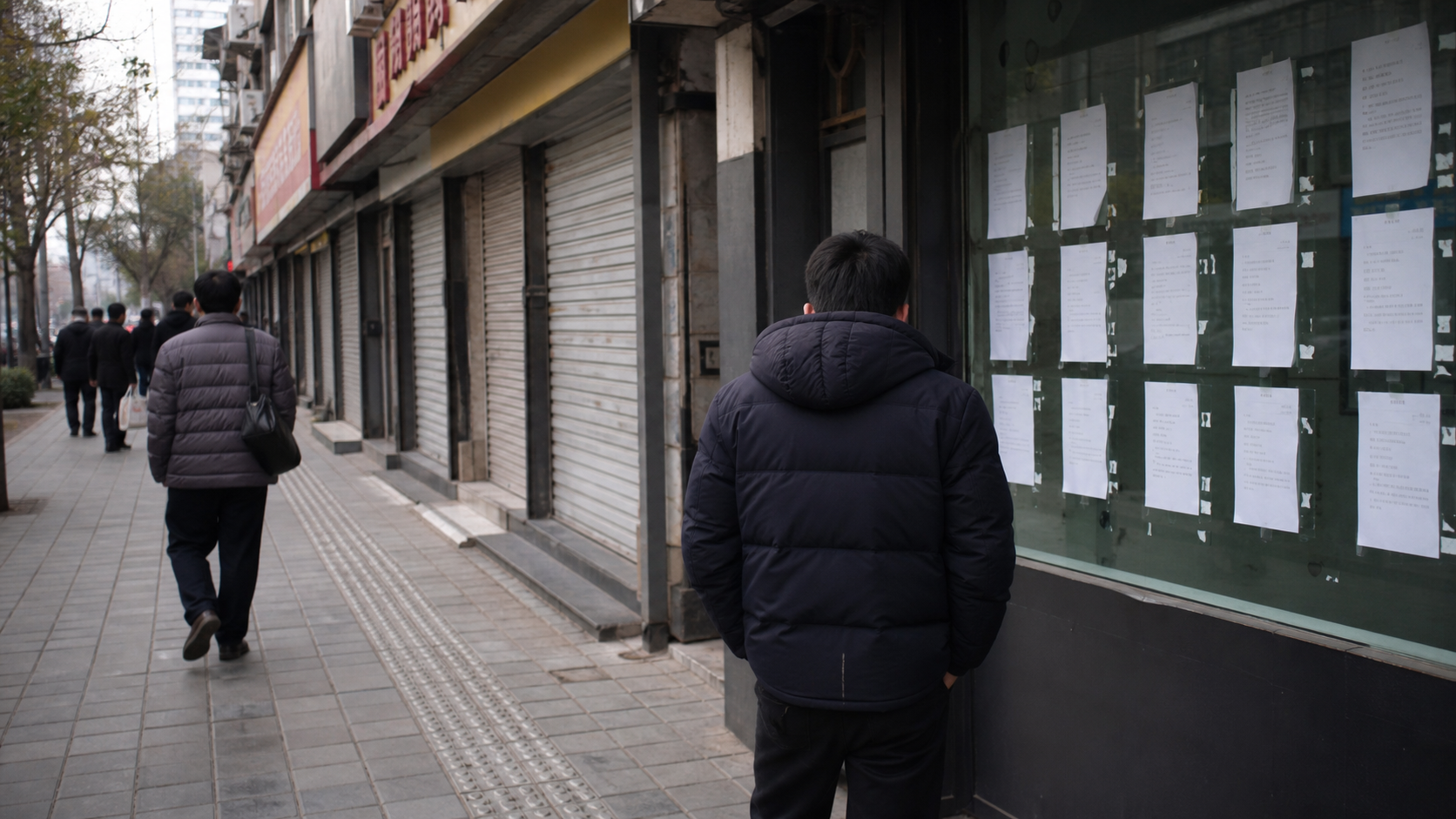
The economic pressure behind public anger
Shanghai is not a poor city. It is China's commercial capital. That is why the setting matters. A violent incident inside a high-profile business district is harder to dismiss as a remote local problem.
China's zero-COVID policies left deep scars. The World Bank said in June 2022 that strict mobility restrictions across major cities and provinces disrupted China's recovery, delayed consumption and services, discouraged private investment, and affected trade. In December 2022, it cut China's 2022 growth forecast to 2.7 percent and said youth unemployment had become a pressing policy challenge.
The reopening did not produce the clean rebound many expected. The property market stayed weak. Consumer confidence remained fragile. Young workers faced a difficult labor market.
The latest available unemployment figures still show pressure. Reuters reported, through data from China's National Bureau of Statistics, that unemployment for urban 16-to-24-year-olds excluding students was 16.3 percent in April 2026, down from 16.9 percent in March. For people aged 25 to 29, the rate was 7.4 percent in April.
Official unemployment data almost certainly understates some forms of economic distress. It does not fully capture underemployment, unpaid wages, small-business failure, informal work, or people who stop looking for jobs. For young people and lower-income workers, those gaps matter.
A wider pattern of attacks on bystanders
China still has a low rate of violent crime compared with many countries. Strict gun controls and heavy surveillance reduce some risks. But knife attacks and vehicle attacks against unrelated bystanders have become a public concern.
In November 2024, a man drove into a crowd outside a sports stadium in Zhuhai, killing at least 35 people. Police said he was angry over a divorce settlement. Days later, a former student killed eight people and injured 17 at a vocational school in Wuxi. Police said he had failed exams, could not graduate, and was unhappy about internship pay.
Reuters wrote in November 2024 that those cases raised questions about China's ability to handle the stress of a slowing economy and related mental health issues. AP later reported that Chinese authorities executed the Zhuhai and Wuxi attackers and that the cases had raised concern about "revenge on society" crimes.
The Shanghai restaurant attack is not the same as those mass casualty cases. The casualty count is lower. The motive is not established. But it belongs in the same public safety conversation: isolated people under pressure, weak channels for grievance, censorship of open debate, and a state that often responds with control after violence rather than transparency before it.
Information risk
China's information environment makes cases like this hard to assess quickly. Police statements are brief. Domestic media often avoid sensitive details. Social media posts may disappear, exaggerate, or mix verified facts with rumor. Foreign reporting usually depends on official statements, Japanese diplomatic sources, company statements, or eyewitness material that cannot always be independently verified.
The safest reading is narrow:
- Confirmed: three people were injured at a Japanese restaurant in Shanghai on May 19, including two Japanese citizens.
- Confirmed: the suspect was detained.
- Confirmed: Chinese officials described the suspect as having a mental disorder.
- Confirmed: Japan requested investigation, explanation, punishment, preventive measures, and better protection for Japanese nationals.
- Not confirmed: an anti-Japanese motive.
- Not confirmed: a direct causal link between this attack and unemployment or post-lockdown economic stress.
The broader context is still relevant. Anti-Japanese nationalism and economic despair are documented features of China's current social environment. They should be examined without turning them into unproven claims about this suspect.
Potential impact
For Japanese citizens and companies in China, the immediate issue is safety. Japan's advisory after the attack shows that Tokyo views the risk seriously enough to warn its nationals.
For China, the deeper issue is political. Beijing wants to present itself as orderly, safe, and open for foreign business. A knife attack at a Japanese restaurant inside Shanghai's financial district damages that image, especially after previous attacks involving Japanese nationals and schools in China.
For ordinary Chinese people, the case points to a more basic problem. When nationalism is cultivated from childhood, economic pressure rises, and public anger has no legitimate outlet, violence becomes harder to interpret as only individual failure. The state can call each case isolated. The pattern is harder to isolate.
Sources
- Associated Press: Shanghai restaurant knife attack injures 2 Japanese citizens and a Chinese national
- Nippon.com / Jiji Press: Mori Building Employees Injured in Shanghai Restaurant Attack
- Nippon.com / Jiji Press: Japan Calls for Punishment on Shanghai Attack
- Reuters via Devdiscourse: China's youth jobless rate dips to 16.3% in April
- World Bank: COVID-19 Outbreaks and Headwinds Have Disrupted China's Growth Normalization
- World Bank: China Economic Update, December 2022
- Chinese Posters: Socialist Patriotic Education Campaign
- China Daily: Government leads in patriotic education
- AP: China executes 2 men who committed deadly attacks known as "revenge on society crimes"
- AP: China probes personal disputes after mass killings
- Reuters via Investing.com: Mass casualty attacks in China put focus on mental health as economy slows


Leave a Reply
Want to join the discussion?Feel free to contribute!